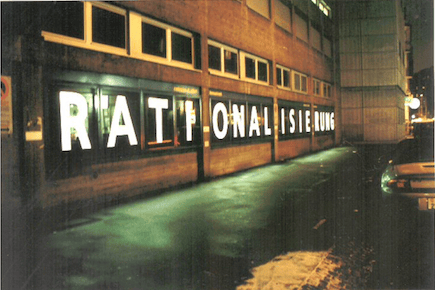
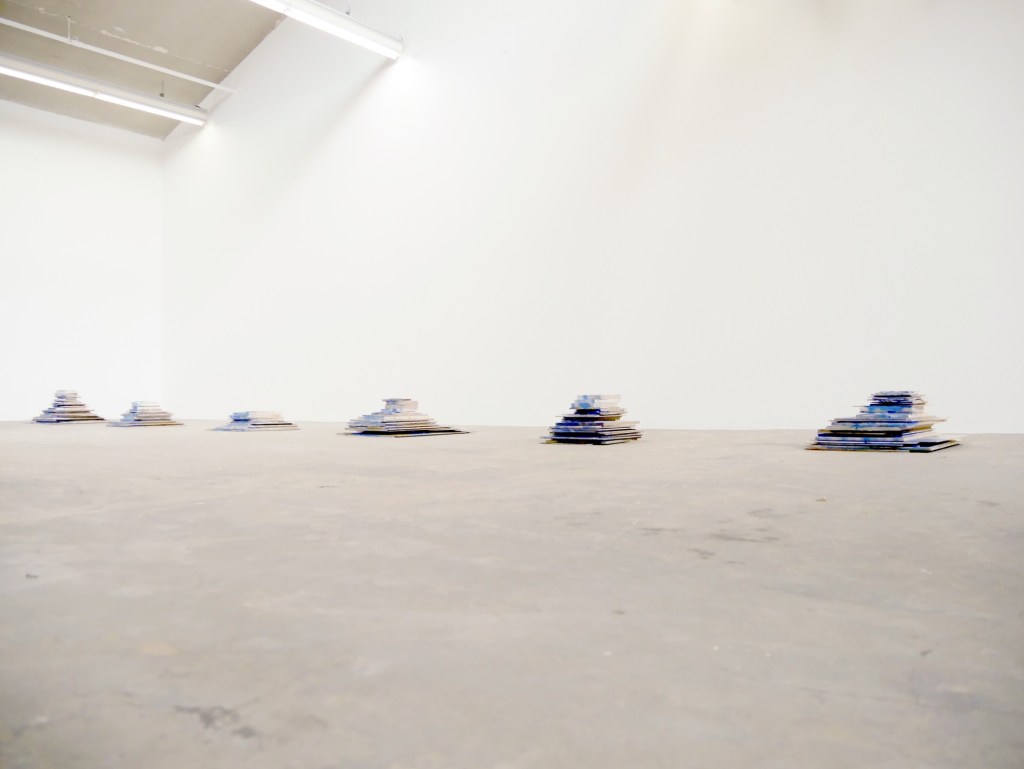
Through photography, Anna Guarino invites us to reconsider the stories hidden within everyday objects, landscapes, and encounters. Her project Rhein Galerie focuses on objects recovered from the Rhein River, revealing unexpected connections between memory, environment, and community.
For ArtMeant* Project, Guarino speaks about the origins of the project, her collaboration with volunteer divers, and how photography can become a tool for awareness, storytelling, and connection.
Enjoy reading.
Interview by Buket Bal Soezeri
Hello Anna, first of all, we would like to get to know you a little better. How did you start producing photography and video works?
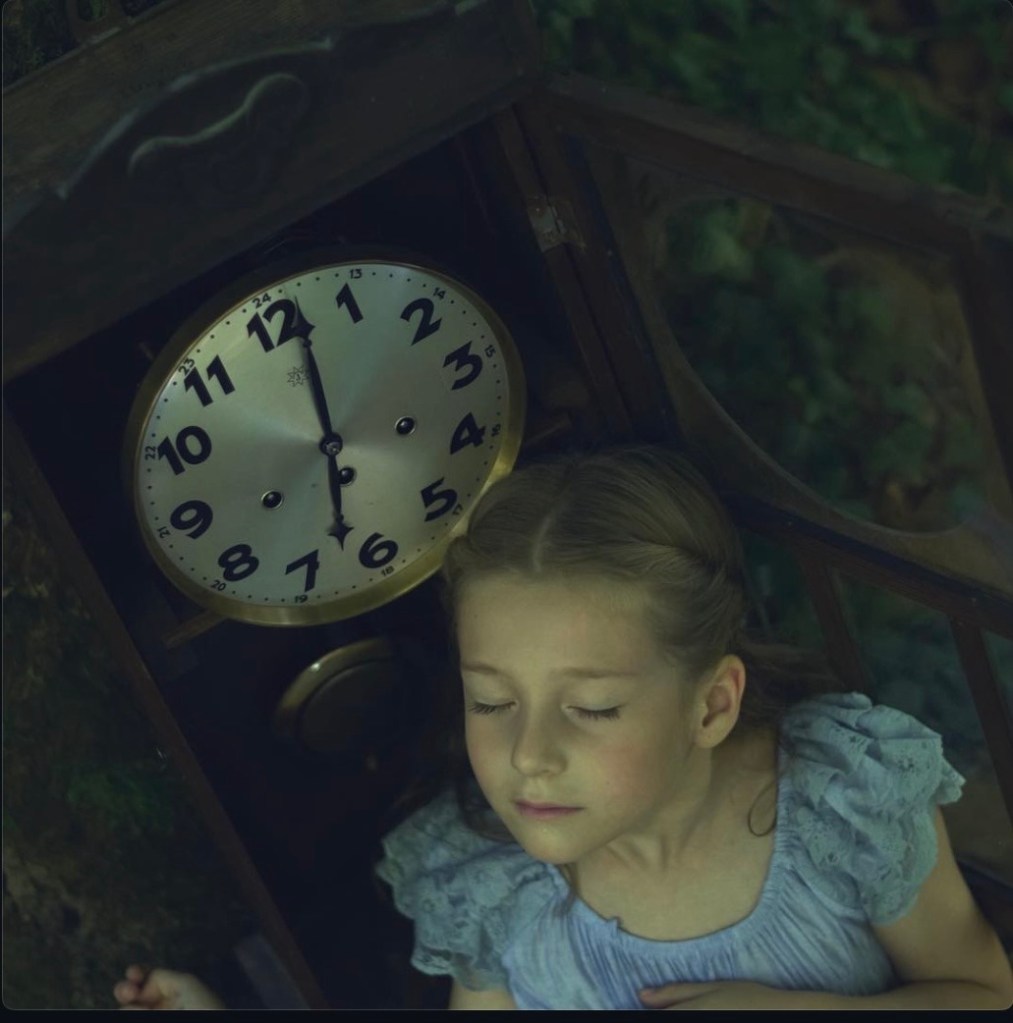
I started with photography when my children were young. I created small visual stories inspired by fairy tales and children’s books, such as Robin Hood and Alice in Wonderland.
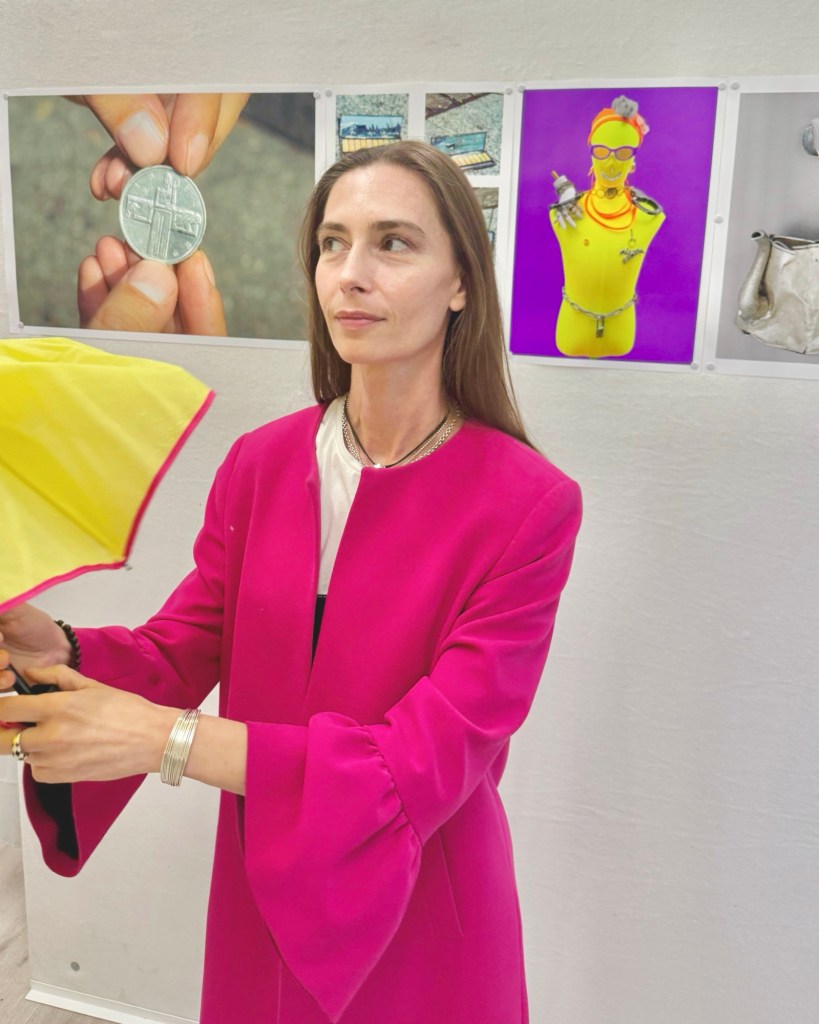
Photography quickly became a way for me to transform reality and show it from a different perspective. What fascinated me most was the combination of creativity, storytelling, and the immediate visual result. Over time, photography developed from a hobby into my profession and my preferred way of communicating ideas.
You say that photography can do more than simply capture a moment. How do you think photography can change the way people look at the environment?
Photography can be much more than simply documenting reality. Through photography, I can bring attention to important topics, challenge the way people see the world, and encourage them to look more closely. A photograph can sharpen awareness, change perspectives, and create an emotional connection that makes people stop and reflect.
Coming to your “Rhein Galerie” project, which focuses on stories around the Rhine River, how did the idea for this project first emerge?
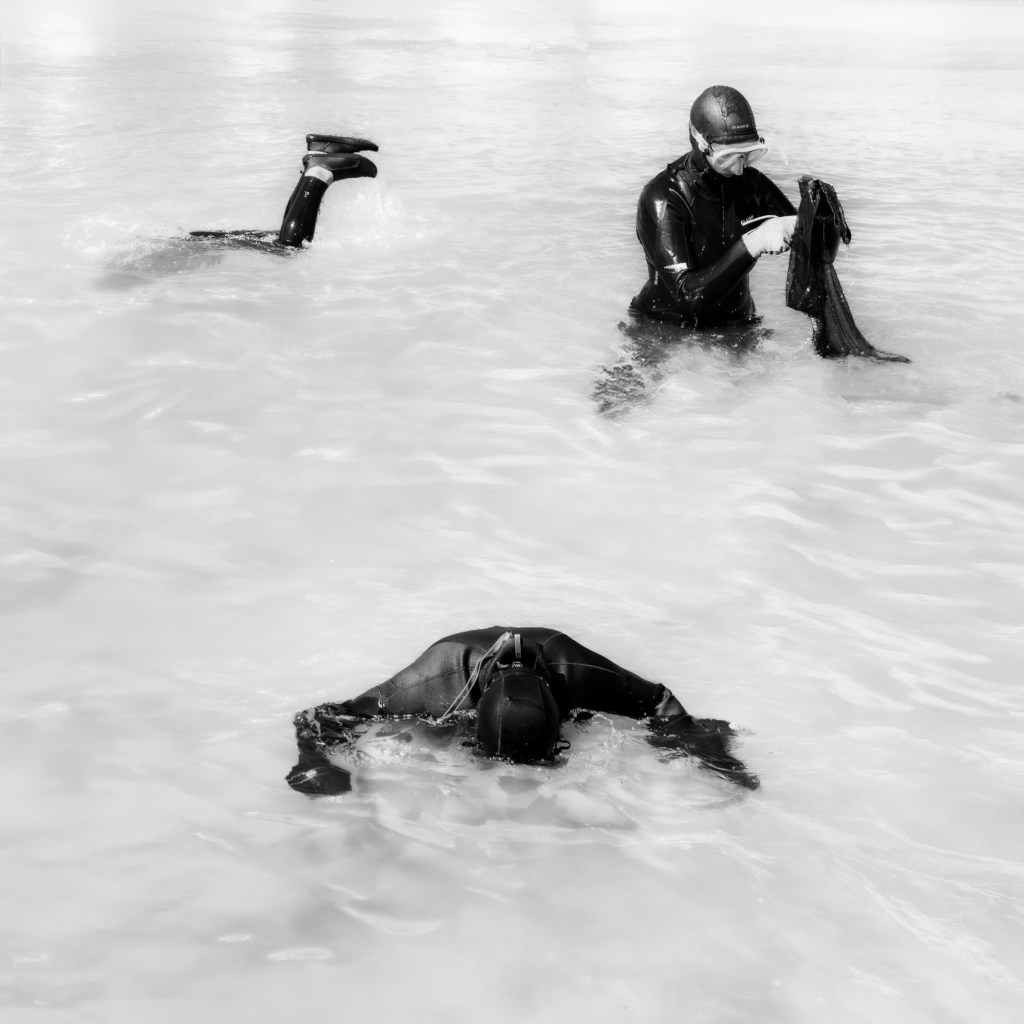
I was inspired by the volunteer river clean-up divers and their dedication. People from different backgrounds spend their free time collecting waste from the Rhein, not because they have to, but because they genuinely care about the river and the environment.
During the “Rhein Galerie” project, was there any object taken out of the river that especially surprised or affected you?
One of the most touching finds for me was a collection of printed photographs recovered from the Rhein. Unlike digital images stored on a phone, these prints are unique and irreplaceable. They carry personal memories, moments and emotions. would be very happy if sharing these photographs helped us find the people connected to them.
As part of the project, you worked together with volunteer divers. How did this collaboration develop, and what did their experiences add to the project?
The collaboration developed very naturally. The divers already had a deep connection with the Rhein through their volunteer work. They shared not only the objects they found but also their experiences, observations, and emotions. Their stories added an important human dimension to the project. They became the voices that connected the audience with the hidden world beneath the water.
The objects taken out of the Rhein also carry traces of the relationship people have with the river and the city. How do you approach these objects? Do you see them as waste, as a story, or as part of a memory?
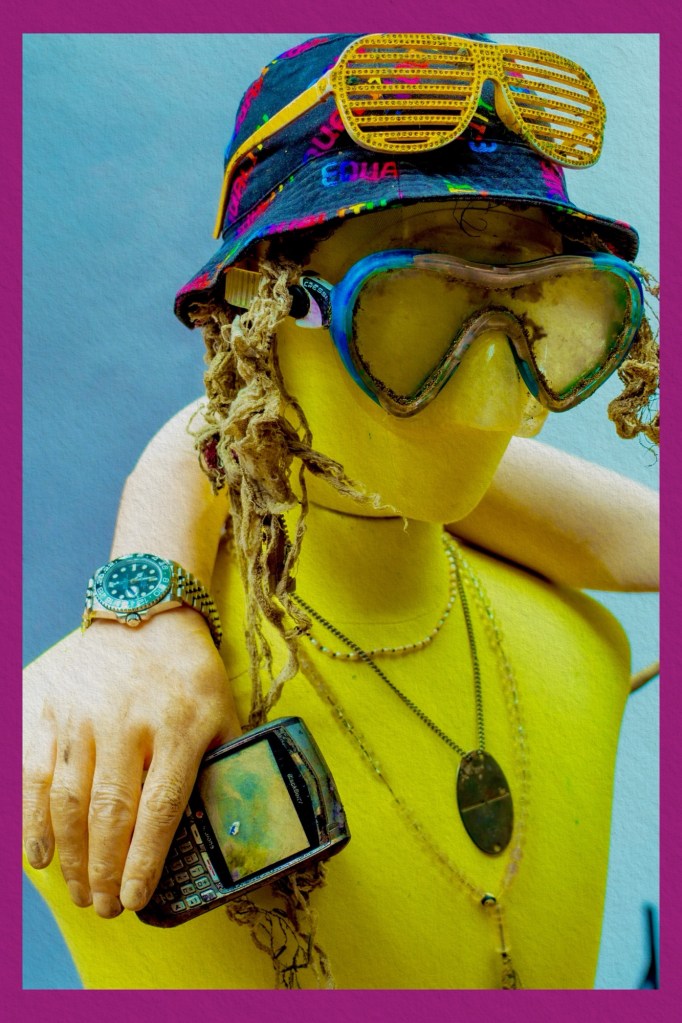
Of course, initially it is waste. But as an artist, I transform these objects into stories and memories through photography and creative installations.
While producing the “Rhein Galerie” project, how did you balance environmental awareness with aesthetic imagery?
I never wanted the project to feel like a warning campaign. The exhibition was colourful, playful, and sometimes humorous, which is unusual for environmental topics. Once people are visually engaged, they become more open to reflecting on environmental issues. For me, aesthetics and awareness are not opposites – they can strengthen each other.
Was there a particular reason why the project was exhibited in public space? What kind of impact did it create for people to encounter these photographs in their daily lives?
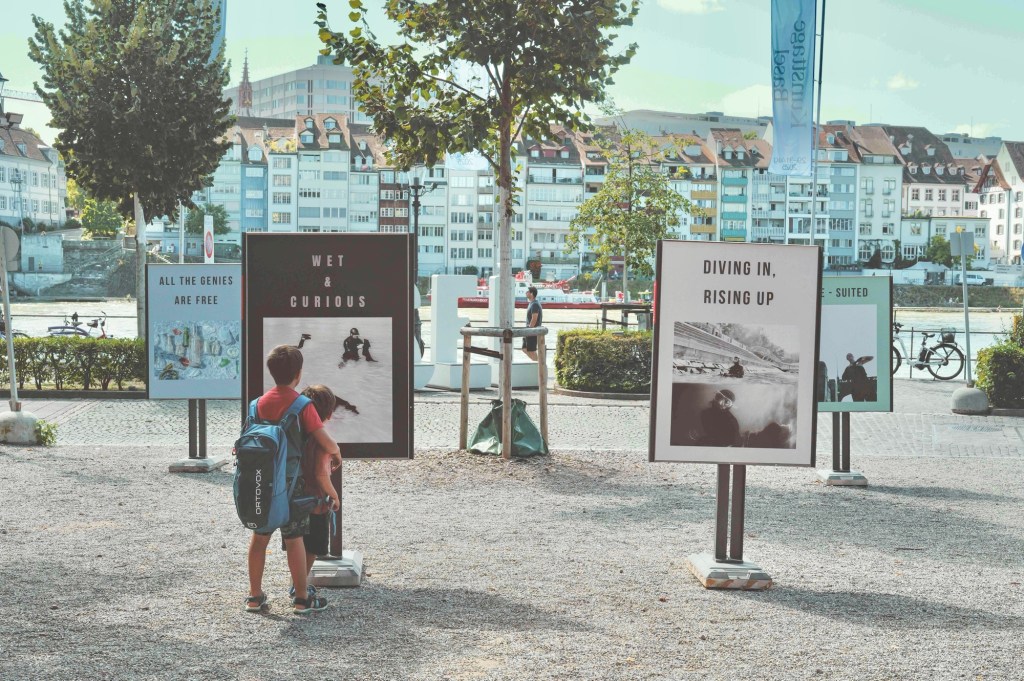
Yes, exhibiting the project directly next to the Rhein was very important. Visitors could see the river and the photographs at the same time, creating an immediate connection between the artwork and the real environment.
As someone who can easily empathize with people, how does this quality reflect in your productions, especially when working on human stories and environmental issues?
Empathy helps me build trust and understand different perspectives. This approach allows me to create images that feel authentic and emotionally connected to the people and places involved.
Are there any new projects you are currently working on or would like to realize in the future? Do you plan to continue producing works around environment and public space?
Absolutely. I am currently developing the RHEINGALERIE into a permanent platform that will share different stories and connect people with each other and with the Rhine. I would like to continue creating projects in public space that combine photography, storytelling, and community engagement.