“The Dialectic Between Artistic Creation, Imperfection, and Randomness”
Author: Ömer Uğurluoğlu
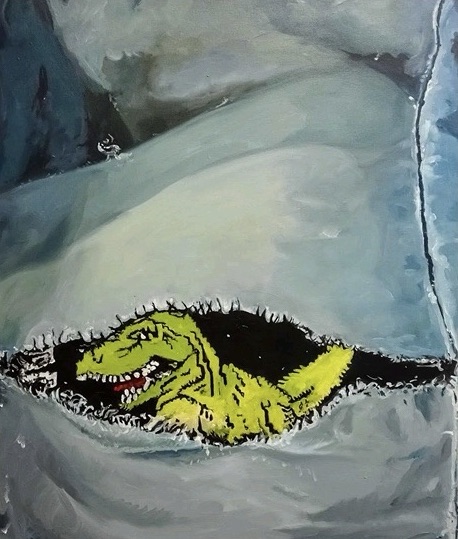
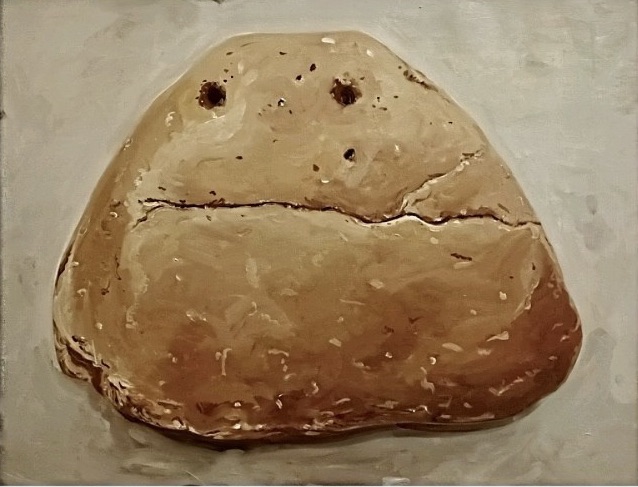
Başak Çalışır’s artistic style represents a modern view that challenges traditional ideas of beauty in art. Instead of focusing only on technical skill or perfect shapes, she puts importance on naturalness and originality. In her works, we can see that imperfections, irregular shapes, and random touches are not mistakes they are part of her creative choice. These details show not just an artistic style, but also a deeper question about what art really is.
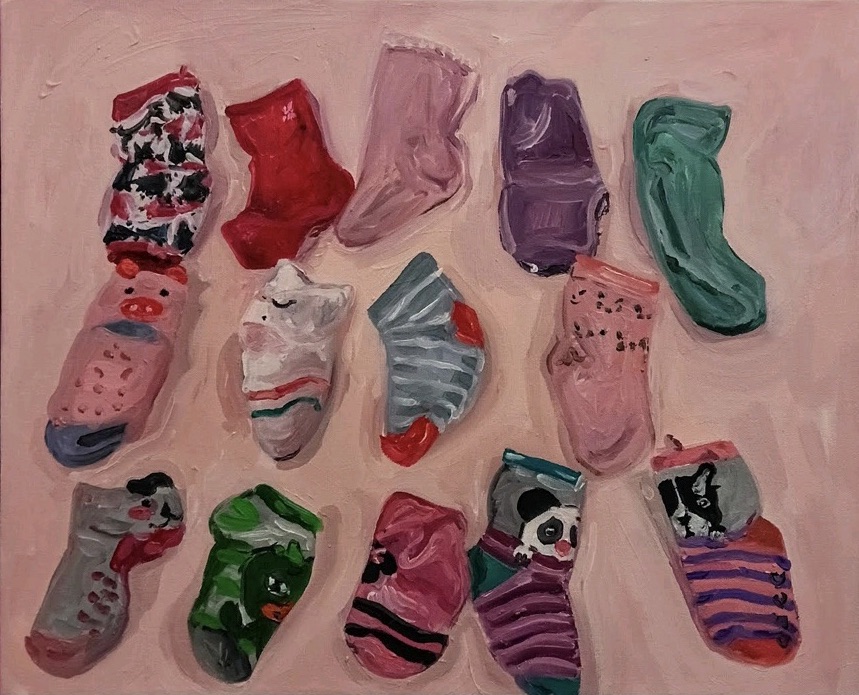
The ideas of imperfection and randomness became more important in modern art. In classical art, perfection and symmetry were seen as ideals. But modern and contemporary art started to explore the hidden meanings behind imperfections. The unusual shapes and messy compositions in Çalışır’s works are examples of this idea. She creates a different kind of beauty that is not traditional. This is similar to the Japanese idea of “Wabi-sabi,” which finds beauty in things that are imperfect or temporary. Like Wabi-sabi, her art shows how something incomplete can still be beautiful and meaningful.
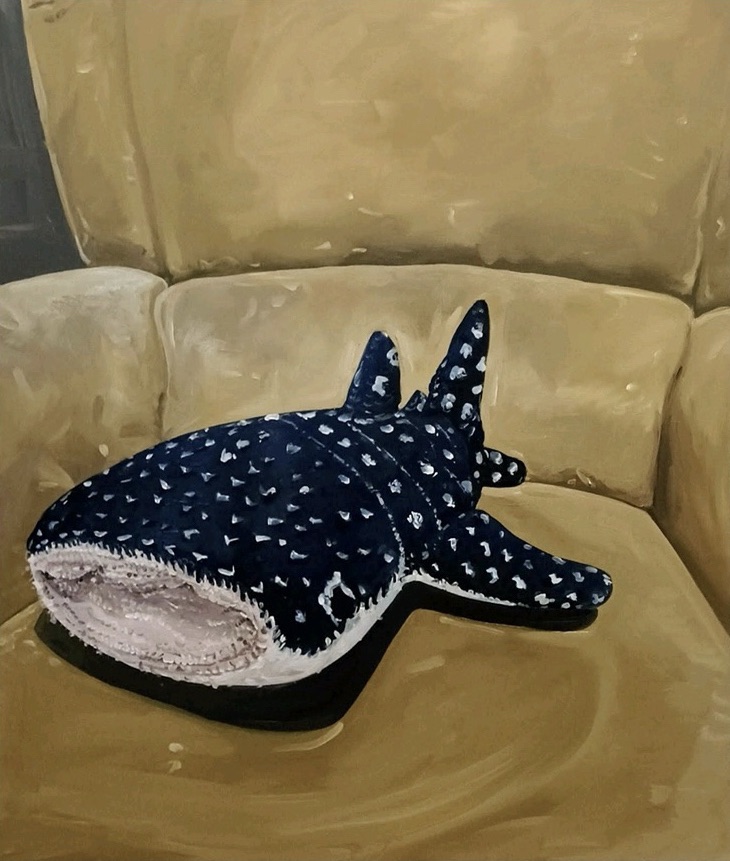
Rejecting perfection in art can also be seen as a kind of freedom. While traditional art tried to define beauty with rules and proportions, Çalışır believes that beauty is something personal and changeable. For her, imperfection and randomness are not only methods they are also part of a way of thinking. We can compare this to Jean-Paul Sartre’s idea of freedom in existentialism. Sartre said people are free to create themselves through their choices. In a similar way, Çalışır’s art finds meaning through originality and freedom. Every image in her work is valuable on its own, not just because it serves a purpose.
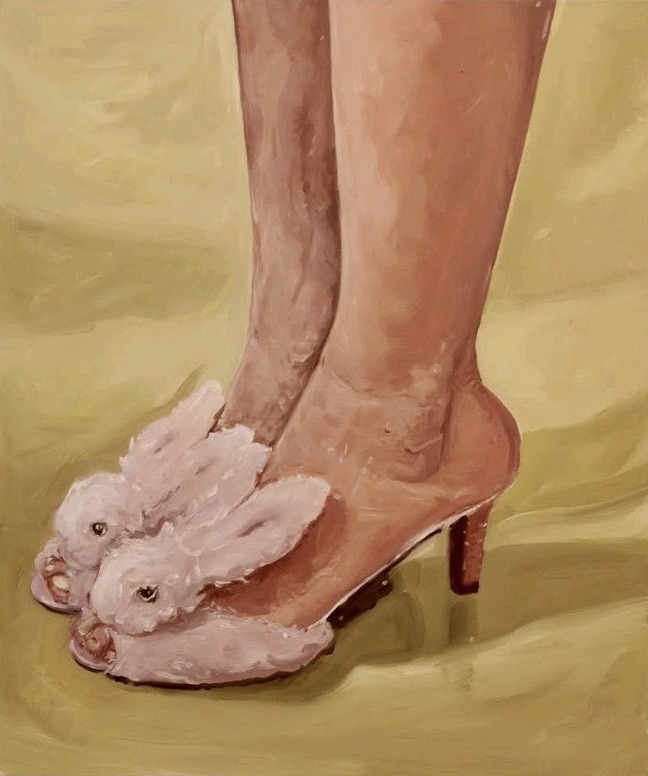
The viewer also plays an important role in her art. Çalışır’s work is not just about looking at something pretty it invites the viewer to think differently. Art historian John Berger, in his book Ways of Seeing, said that art doesn’t just show something it also changes how we see. Çalışır’s work wants to do just that: to help the viewer see in a more thoughtful and questioning way. She encourages us to find meaning in flaws and disorder and to see them as part of beauty.
In summary, Başak Çalışır’s art creates a space where randomness and imperfection are used as artistic choices. This approach questions traditional views of beauty and gives the viewer a deeper connection with the artwork. Her works are not just visual experiences they are also spaces for thinking and questioning. In her art, even what looks imperfect can carry meaning, and what seems out of order can have aesthetic value. In the end, imperfection in Çalışır’s art is not just about appearance it is a way of thinking and a kind of existential beauty.
References
Berger, John. Ways of Seeing. (Trans. Yurdanur Salman). Istanbul: Metis Publishing, 2017.
Danto, Arthur C. After the End of Art: Contemporary Art and the Pale of History. (Trans. Elif Özsayar). Istanbul: İletişim Publishing, 2019.
Deleuze, Gilles & Guattari, Félix. What is Philosophy? (Trans. Ali Utku, Bahadır Gülmez). Istanbul: Norgunk Publishing, 2012.
Derrida, Jacques. Writing and Difference. (Trans. Mehmet Ruhi Demiray). Istanbul: Metis Publishing, 2005.
Eco, Umberto. On Beauty and Art. (Trans. Ali Berktay). Istanbul: Can Publishing, 2016.
Sartre, Jean-Paul. Existentialism is a Humanism. (Trans. Turhan Ilgaz). Istanbul: Say Publishing, 2019.
Sontag, Susan. On Art. (Trans. Nihan Özyıldırım). Istanbul: Agora Publishing, 2016.
Yanagi, Soetsu. The Beauty of Everyday Things: Thoughts on Japanese Aesthetics. (Trans. Ceren Kıymaz). Istanbul: Kolektif Publishing, 2021.




 ArtMeant* Project
Yorum bırakın