We had the opportunity to speak with Steven, the founder of Anggrek Agency a dynamic platform known for its unique approach to contemporary art. In this interview, Steven shares the story behind the agency, their current projects, and his perspective on shaping artistic spaces today.
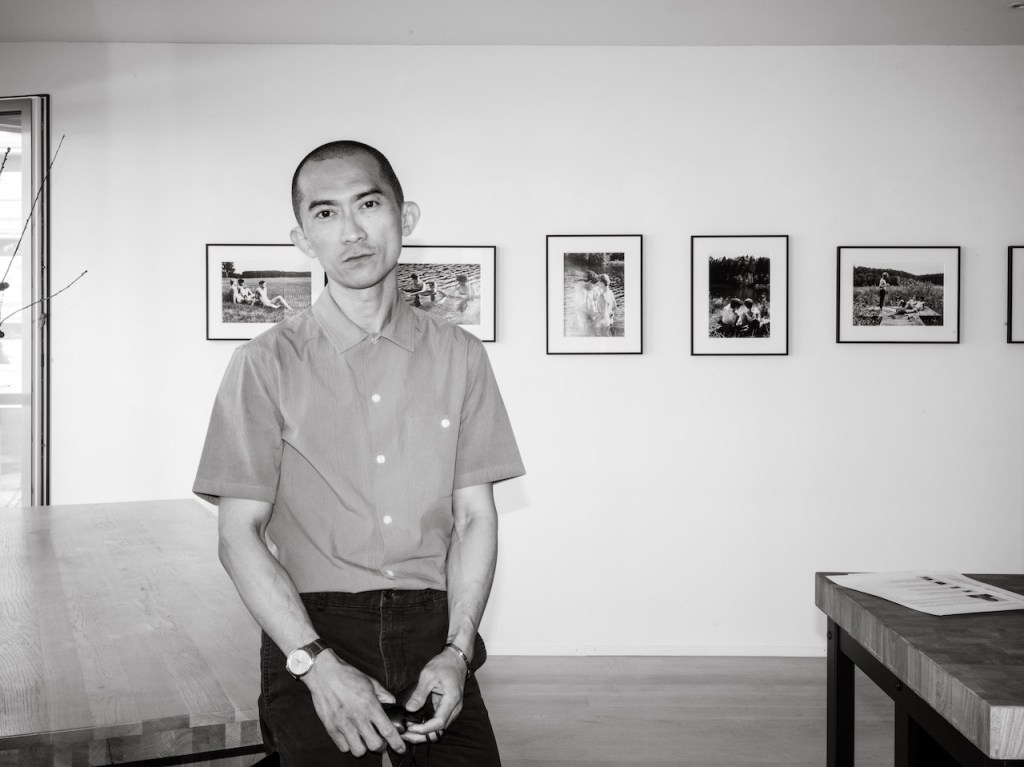
Firstly, on behalf of the ArtMeant Project, I would like to thank you for accepting our interview invitation.Anggrek Agency is a fairly young initiative. What inspired you to start it, and how did the idea evolve into what it is today?
Thank you for having me. Indeed, Anggrek Agency is a young initiative, but it’s rooted in a moment of reflection and purpose. During the Covid lockdown, like many people, I began to reconsider what truly matters in life. I saw how difficult that period was for so many, and I felt a strong desire to contribute to something meaningful, something that would bring joy, dialogue, and beauty into people’s lives. I decided to immerse myself in the creative world, drawn by the energy of artists, designers, writers, and other cultural practitioners.
Living in Zurich, I quickly noticed a gap: there were very few platforms dedicated to Asian and queer artists. Their voices and perspectives were underrepresented in the local art scene, and I wanted to change that. At the same time, I also saw that women artists and photographers were often overlooked, sometimes simply because their works didn’t meet the conventional pricing expectations of galleries. I believe that strong artistic voices shouldn’t be measured solely by market thresholds. Anggrek Agency was born out of this conviction, to create a space that celebrates diverse, often marginalized perspectives, and to build bridges between artists and audiences who are ready to see the world differently.
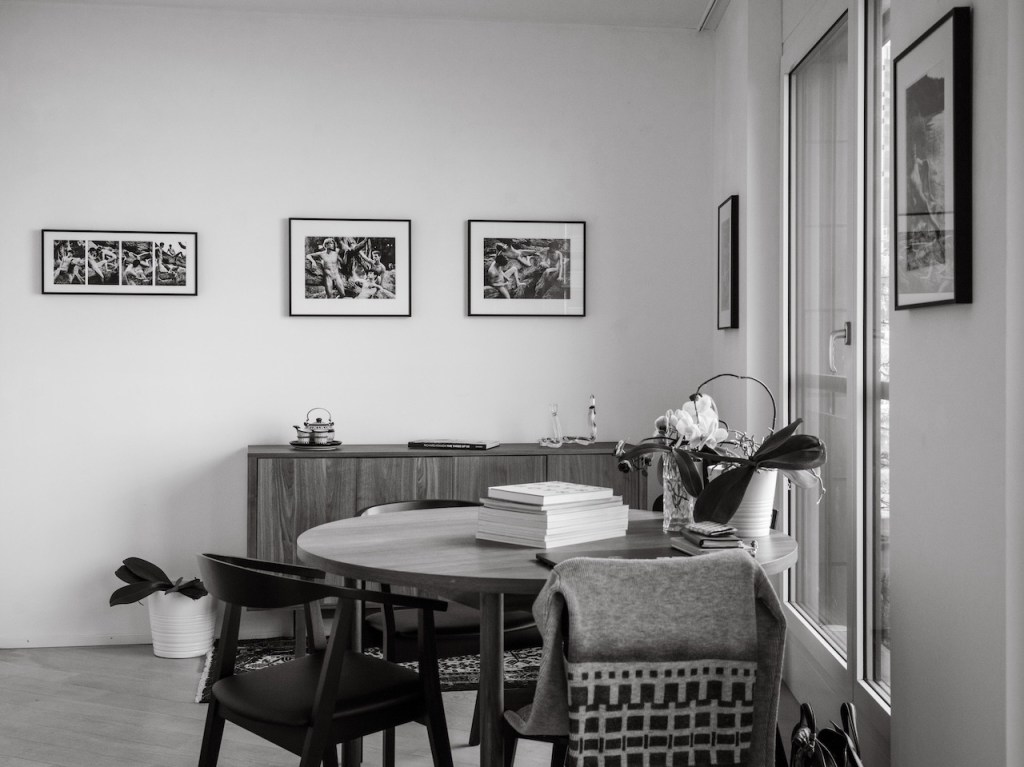
Your curatorial vision centers on intimacy, identity, and personal storytelling. Why are these themes important to you?
These themes are deeply personal to me, and they resonate with how I experience and relate to the world. As someone who has navigated questions of identity, belonging, and self-expression, I find that art becomes most powerful when it touches on the intimate and the honest. Intimacy, identity, and storytelling allow us to slow down and pay attention to the nuances of human experience, which I think is increasingly vital in our fast-paced and fragmented world.
Curating through these lenses also allows me to work with artists who are not afraid to be vulnerable, to explore their inner worlds, their histories, and their cultural contexts. I believe that when artists share their personal narratives, they offer viewers not just insight but connection. These moments of recognition, where someone sees part of themselves in another, are where real empathy and understanding begin. That’s what I want Anggrek Agency to foster.
You focus on queer, Asian, and female artists. How do you see Anggrek Agency contributing to representation and visibility in the art world?
As I mentioned before, Anggrek Agency was created to amplify voices that are often overlooked. The exhibitions and collaborations create room for different perspectives to coexist, and in doing so, I hope to foster a more inclusive and pluralistic art world. Visibility is powerful, but meaningful representation goes beyond visibility, it’s about context, care, and connection.
Do you believe queer identity influences how art is created, exhibited, or received? In what ways?
Absolutely. Queer identity often shapes not just the content of the work, but also the way it’s made and shared. Queer artists frequently approach their practices with a sense of experimentation, resistance, or reimagining. This can affect everything from subject matter to material choices. At the same time, how queer art is exhibited or received still varies widely depending on context. In some spaces, it’s embraced; in others, it’s exoticized or misunderstood. That’s why curatorial framing is so important, it helps provide space for nuance, rather than reducing work to a label or identity category.
How do you personally navigate the balance between personal storytelling and political visibility in queer art?
For me, personal storytelling is inherently political, especially when it comes from someone whose identity has been marginalized. But I also believe in giving artists room to be more than just representatives of a cause. Sometimes their work is intimate and poetic; sometimes it’s explicitly activist. Both are valid. My role as a curator is to respect that spectrum and ensure that the presentation allows for depth, complexity, and agency. I try to create space for the personal to unfold without forcing it into a political framework unless the artist chooses that direction.
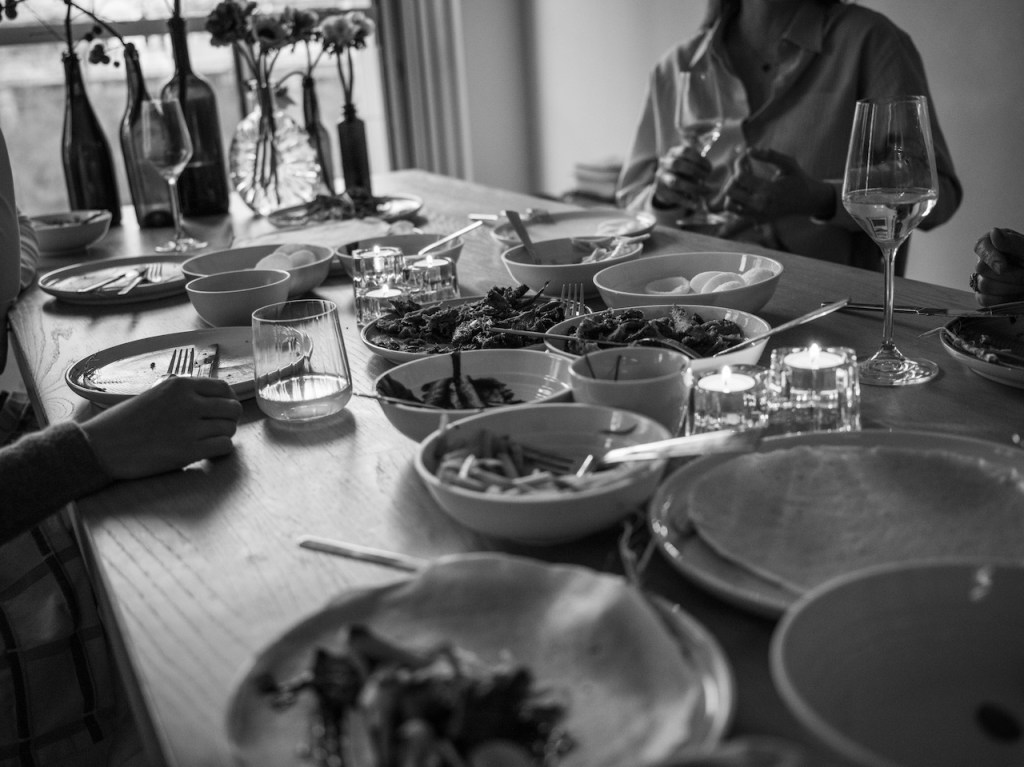
Can you tell us more about how you combine exhibitions with dinners and gatherings? What kind of atmosphere do you aim to create for your guests?
Bringing people together around food (and now art) has always felt natural to me. I want Anggrek Agency to feel welcoming, something between a salon and a home. The gatherings often feature artist talks, guided tours, or casual conversations over homemade dishes or drinks. These events help break down barriers between artists and audiences, encouraging dialogue and mutual appreciation. The atmosphere is intimate, warm, and a little bit playful. It’s about connection, not just consumption.
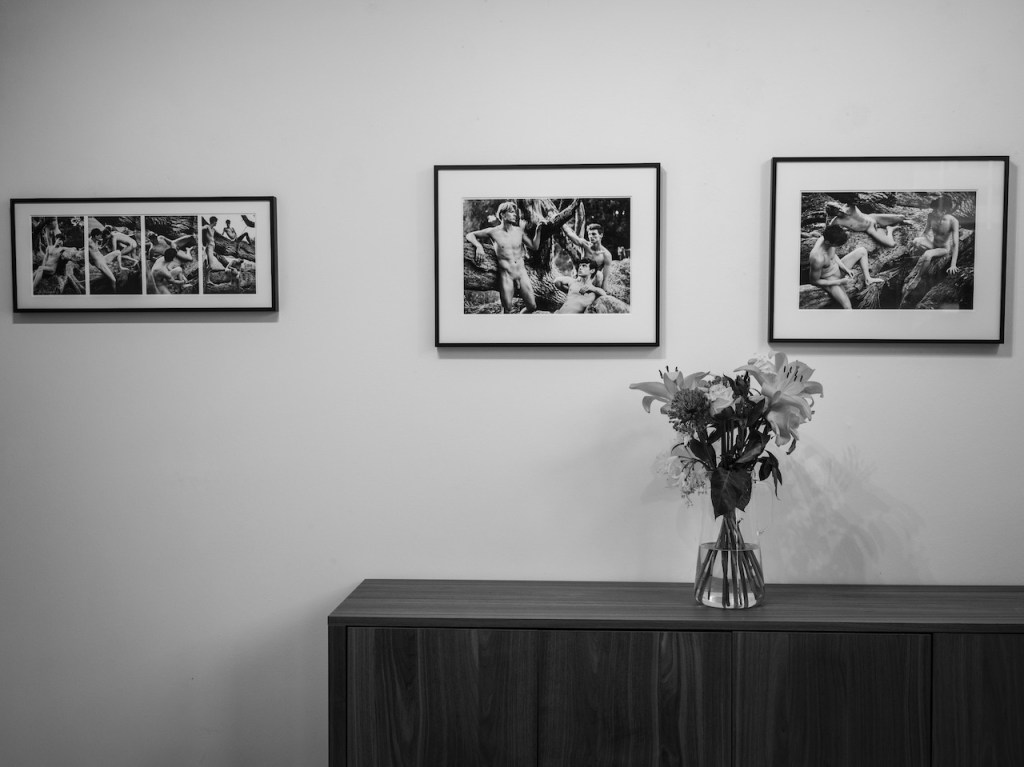
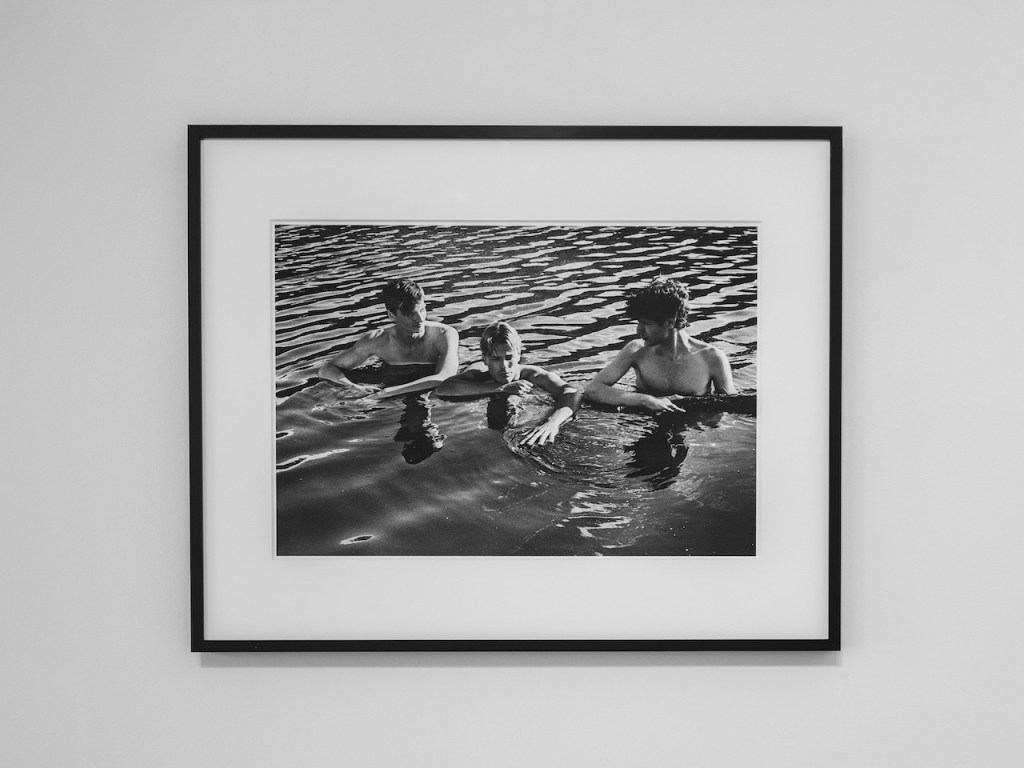
Now, I’d love to talk about Anggrek Agency’s current exhibition, The Three of Us. How did you discover Richard Kranzin’s work, and what made you want to present The Three of Us at Anggrek Agency? What was the exhibition process like?
I first came across Richard Kranzin’s photography on Instagram, and I was immediately drawn to the tenderness and cinematic quality of his imagery. He knows Stuart Sandford, the first artist I showed at Anggrek Agency, so it helps building the connection.
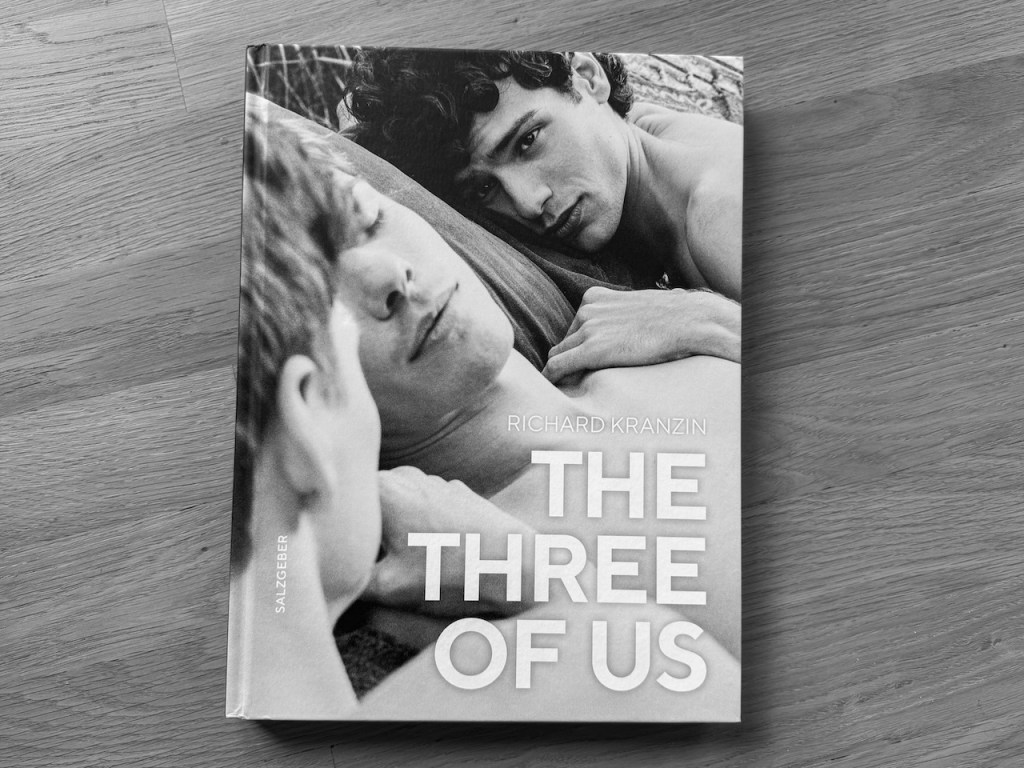
There’s a timelessness to Richard’s work that speaks to both vulnerability and beauty, a perfect fit for Anggrek Agency! The exhibition process was deeply collaborative, from selecting the works to designing the show’s layout in our intimate gallery space. Richard was kind, generous, and thoughtful throughout, even helped me drilling the walls! The result is a show that invites viewers to pause and feel. If you, dear readers, in Zurich this weekend, please join us at the closing event on Sunday 11 May, from 5-8 p.m.
How can curators, collectors, and institutions better support the voices and needs of queer artists today?
It starts with listening to what queer artists need, rather than imposing expectations on them. Support should be long-term and structural, not just symbolic. Collectors and institutions also need to do the work of learning about queer histories and aesthetics beyond Pride Month or trending topics. Support should be ongoing, critical, and embedded in the larger mission of cultural change.
Looking ahead, what are your hopes or plans for Anggrek Agency in 2025 and beyond?
I am planning to expand both online and offline. One of our next steps is to develop more digital exhibitions to reach wider audiences through platforms like Artsy. I am also interested in working more internationally, connecting artists and collectors across geographies. But at the heart of it, the mission remains the same: to provide a meaningful, supportive platform for artists whose voices matter. I hope Anggrek Agency continues to grow organically, anchored in intimacy, community, and artistic integrity.



 ArtMeant* Project
Yorum bırakın